Syamantak Kumar

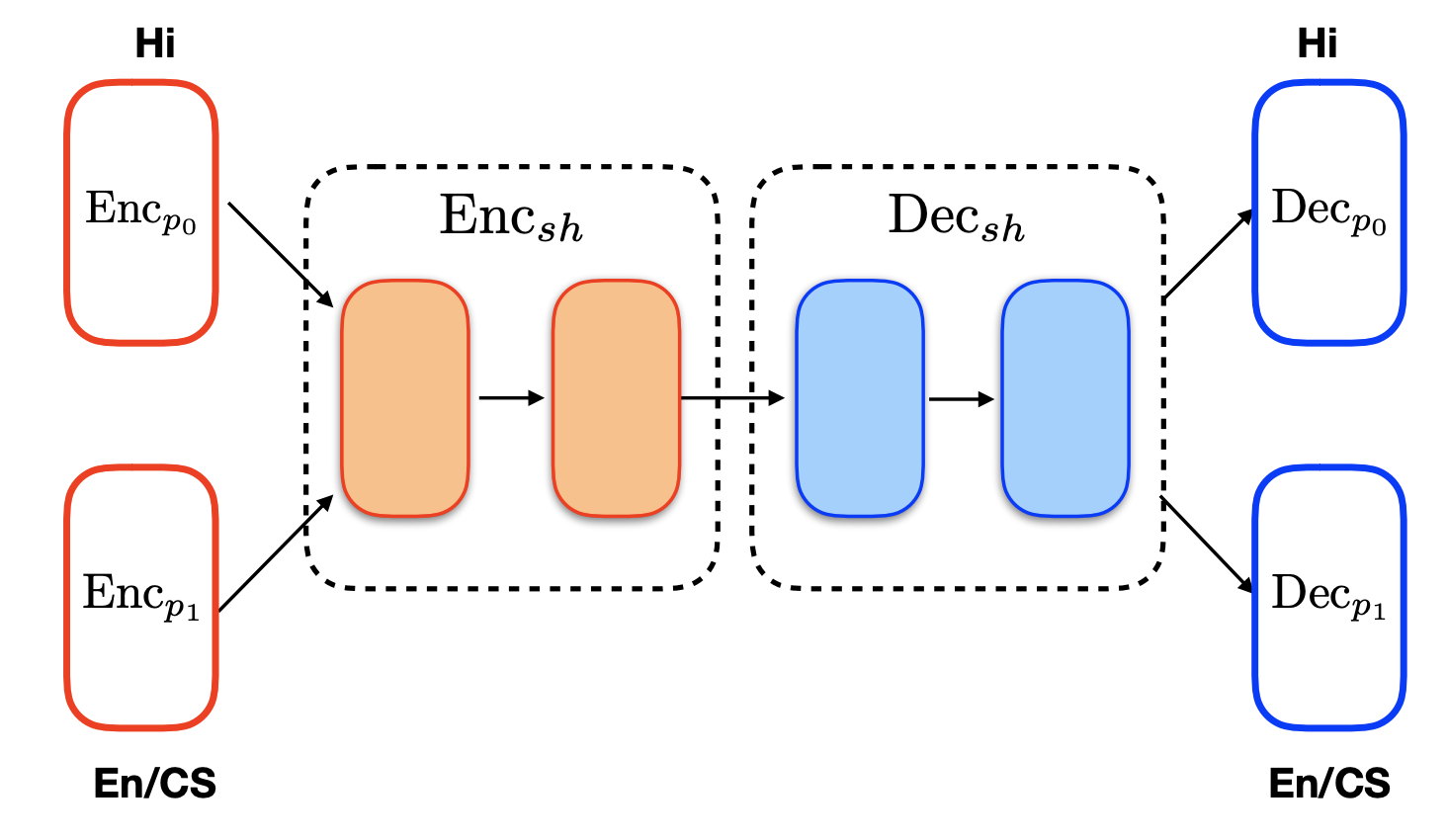
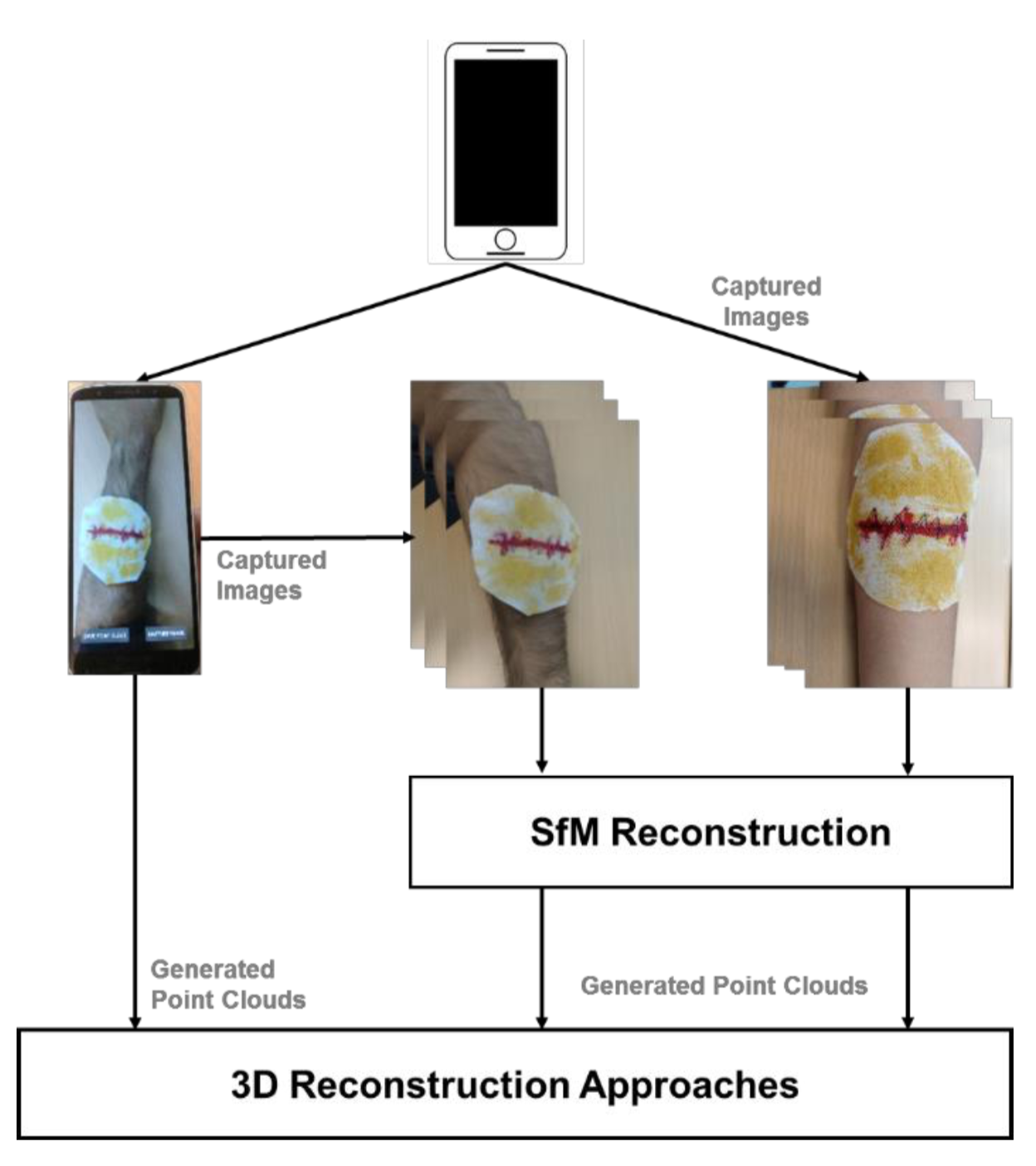
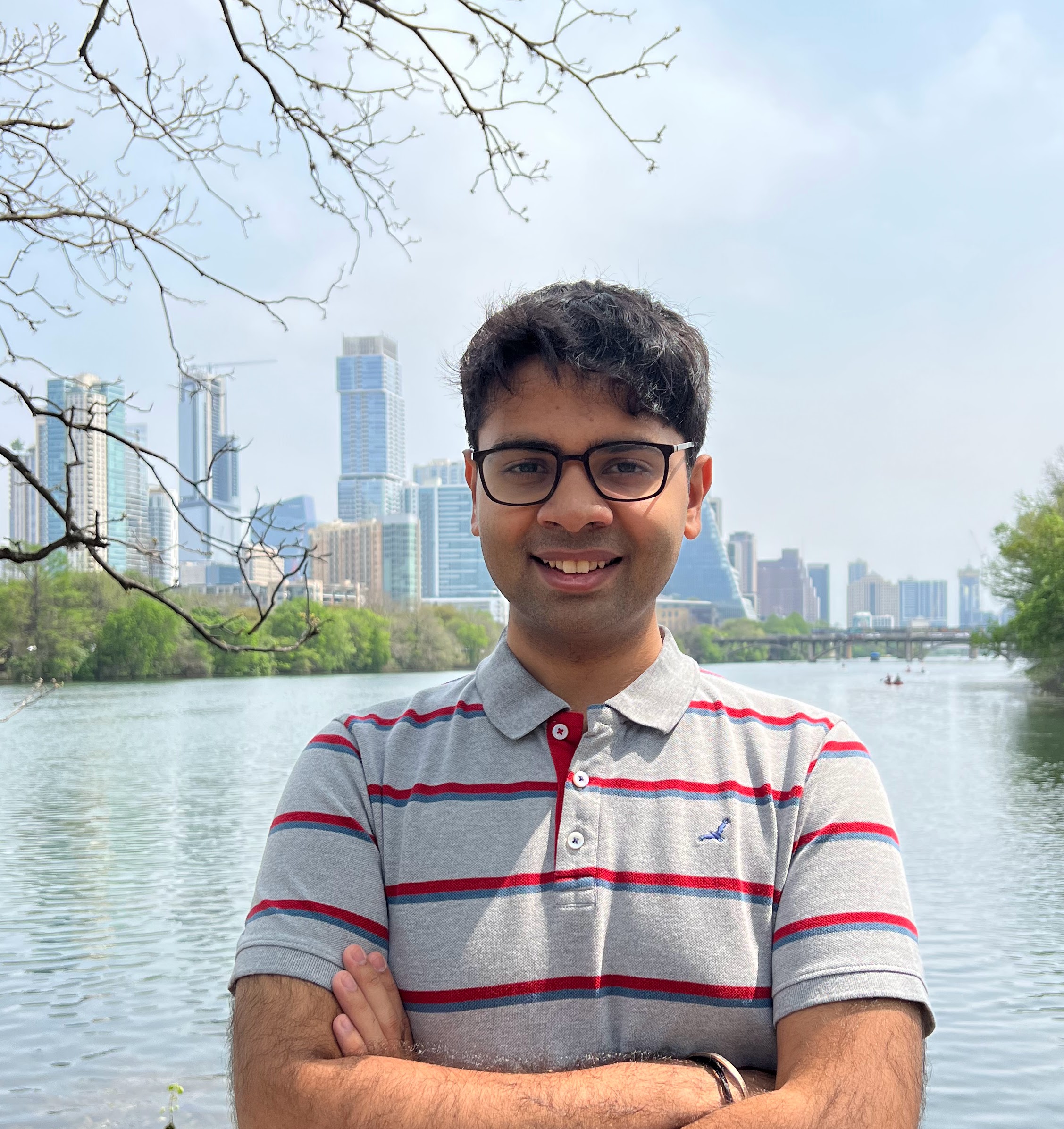
I am a PhD student in Computer Science at UT Austin, where I am fortunate to be advised by Prof. Purnamrita Sarkar and Prof. Kevin Tian. Previously, I completed my MS at UT Austin and my BTech with Honours at IIT Bombay, both in Computer Science. At IIT Bombay, I was fortunate to be advised by Prof. Suyash Awate on medical imaging and to work with Prof. Preethi Jyothi on natural language processing for Hindi-English code-switched text.

I work on theoretical machine learning and statistics, particularly high-dimensional estimation, sampling, and generative modeling. My recent work includes streaming and sparse PCA, differential privacy, diffusion models, and planning with language models.

I have also been fortunate to be mentored by Jiang Guo at Amazon and Dheeraj Nagaraj at Google DeepMind. In summer 2026, I worked with Jiang in the AWS Agentic AI team on diffusion language models for planning and plan repair. In summer 2024, I worked with Dheeraj on score matching for diffusion models.

I spent summer 2022 at Microsoft Bing as an applied scientist intern, working on dense retrieval for search. Before graduate school, I was a software engineer at Google Maps, where I worked on detecting abuse in user contributions.

Syamantak Kumar

Updates

Preprints

Plan-and-Patch: Diffusion Language Models for Agentic Planning

Syamantak Kumar, Jiang Guo, Hassan Hamad, Hideo Kobayashi, Yi Xiang, Yezhou Yang, Yanjun Qi, Daniele Bonadiman, Jiarong Jiang

Preprint, 2026

Paper

We use diffusion language models to generate structured plans in parallel and repair selected steps by masked infilling. Experiments study plan generation speed and repair success in long-horizon tasks.
Conditional Flow Matching for Transport Between Markov Processes

Syamantak Kumar, Dheeraj Nagaraj, Saptarshi Roy, Purnamrita Sarkar

Preprint, 2026

Paper

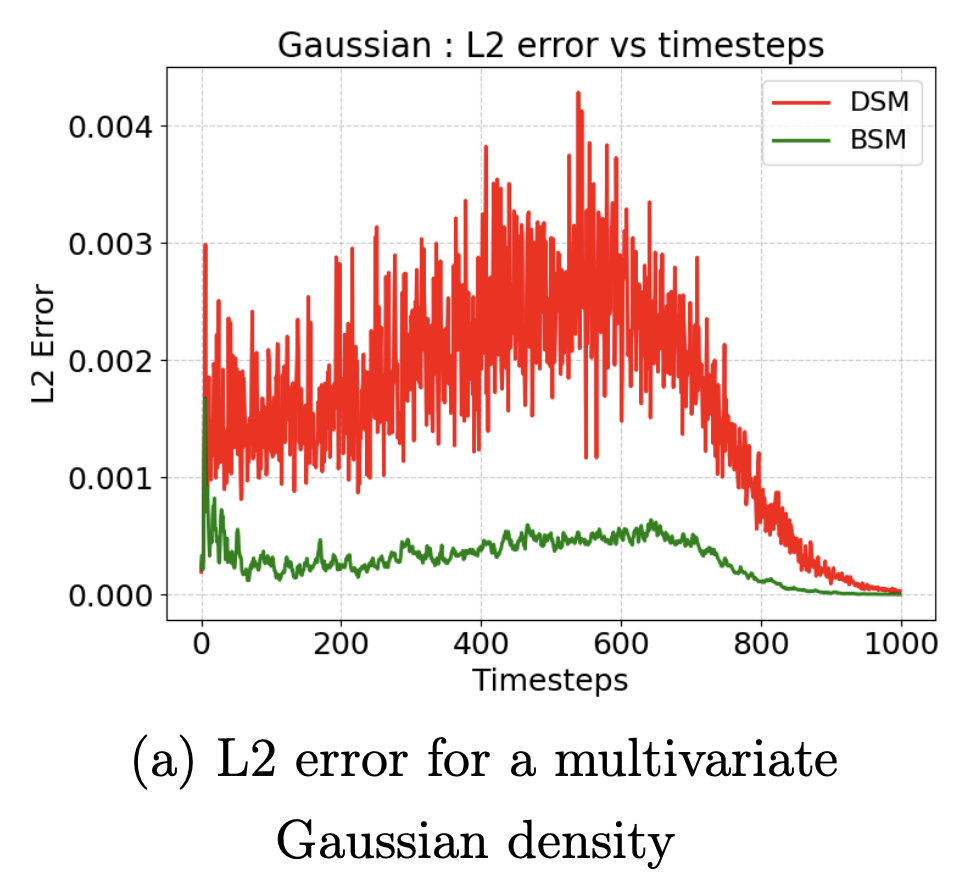
We learn transport maps between Markov trajectory distributions using conditional flow matching, with finite-sample guarantees under mixing assumptions and applications to EEG domain adaptation.

Publications

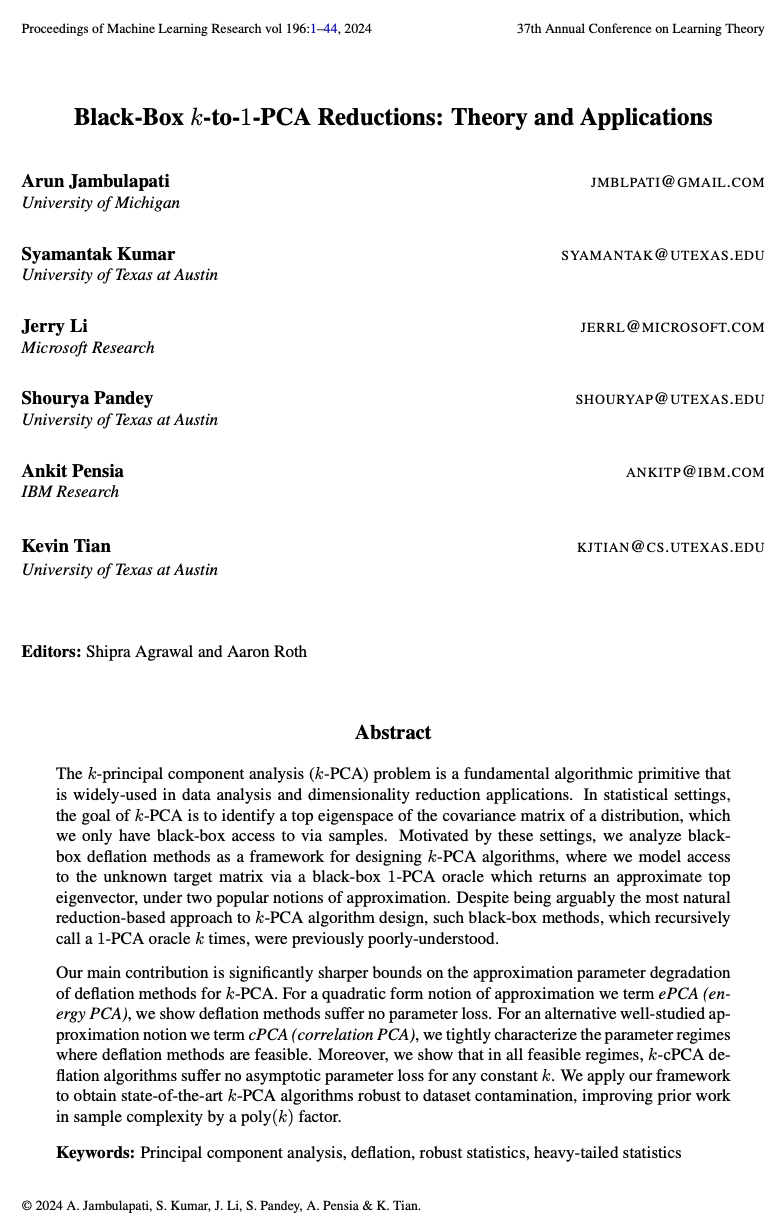
Figure from Low-Precision Streaming PCA

Low-Precision Streaming PCA

Sanjoy Dasgupta, Syamantak Kumar, Shourya Pandey, Purnamrita Sarkar

NeurIPS 2025

Paper

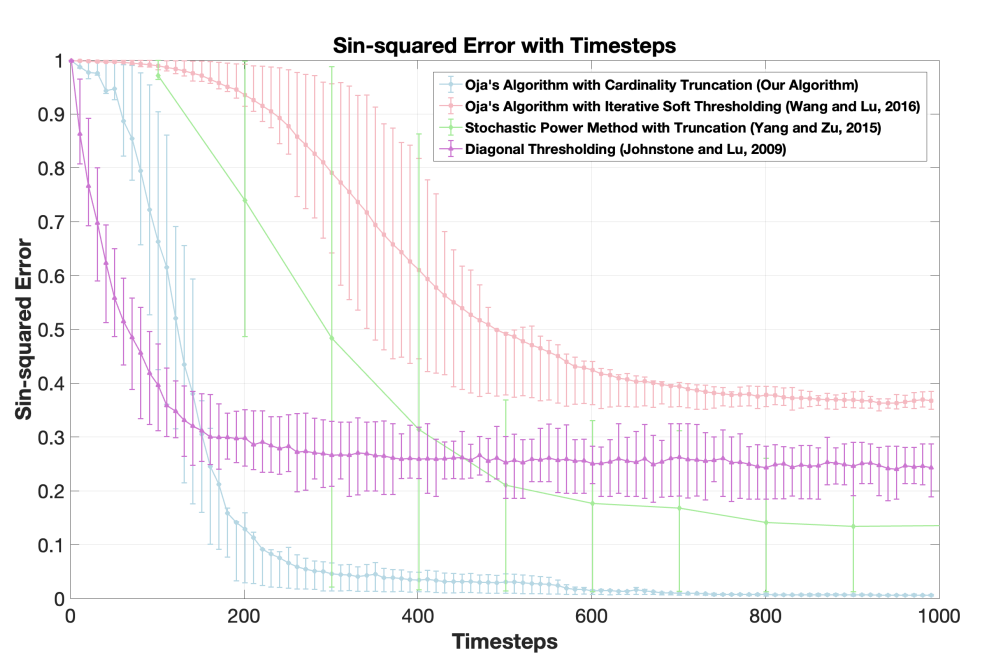
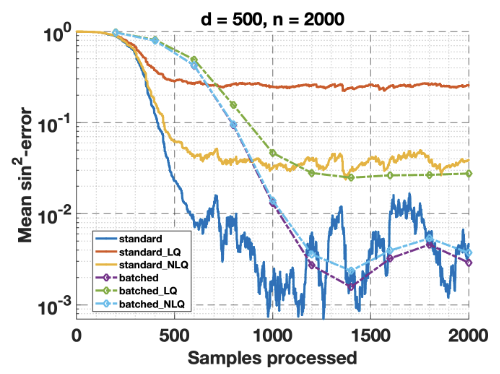
We study Oja's algorithm under stochastic quantization and show that batched variants attain quantization lower bounds up to logarithmic factors.

Figure from Spike-and-Slab Posterior Sampling in High Dimensions

Spike-and-Slab Posterior Sampling in High Dimensions

Syamantak Kumar, Purnamrita Sarkar, Kevin Tian, Yusong Zhu

COLT 2025

Paper

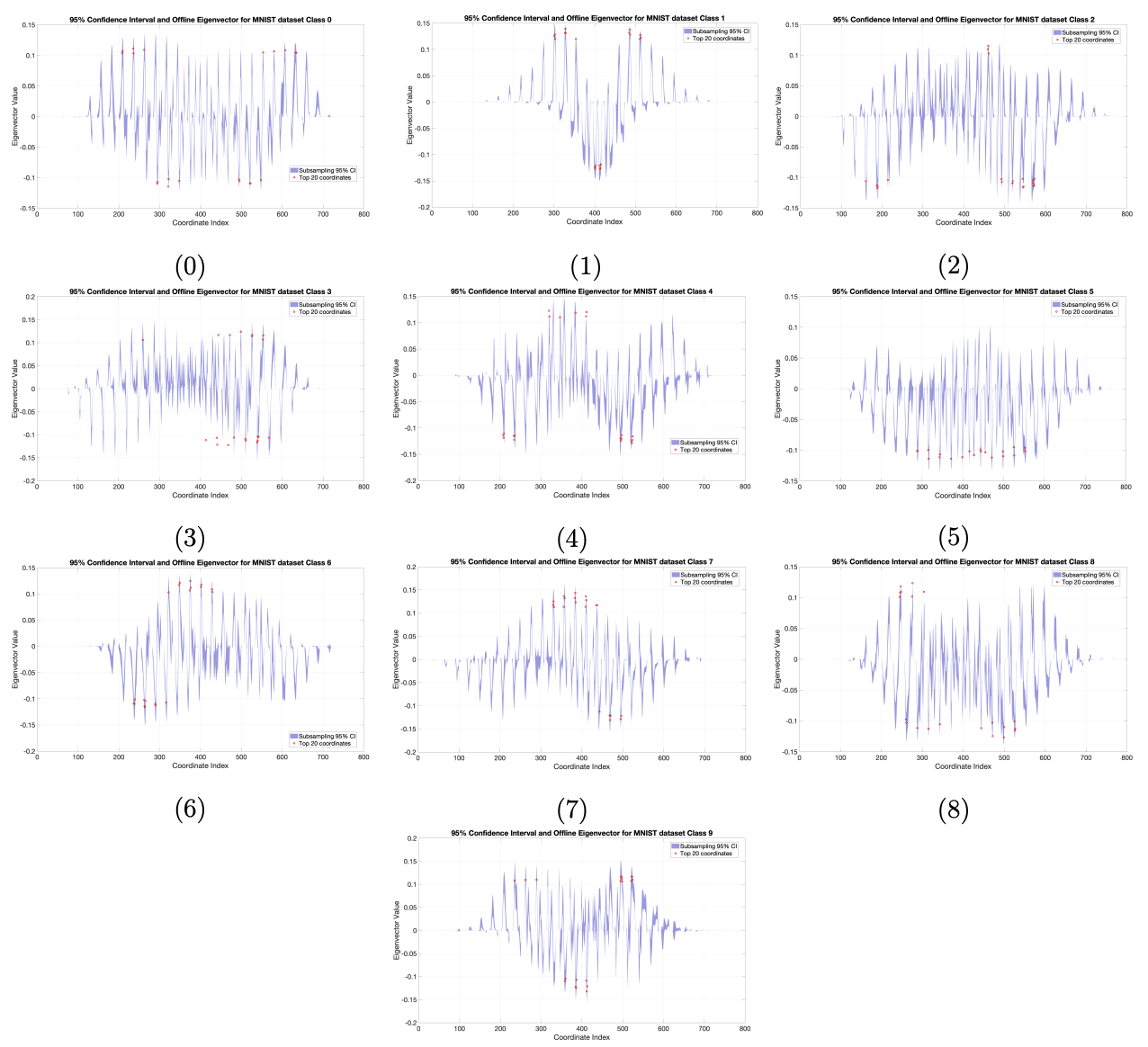
We give provable algorithms for spike-and-slab posterior sampling at any signal-to-noise ratio, using a number of measurements sublinear in the problem dimension in sparse regimes.

Figure from Nonparametric Evaluation of Noisy ICA Solutions

Nonparametric Evaluation of Noisy ICA Solutions

Syamantak Kumar, Purnamrita Sarkar, Peter Bickel, Derek Bean

NeurIPS 2024

Paper

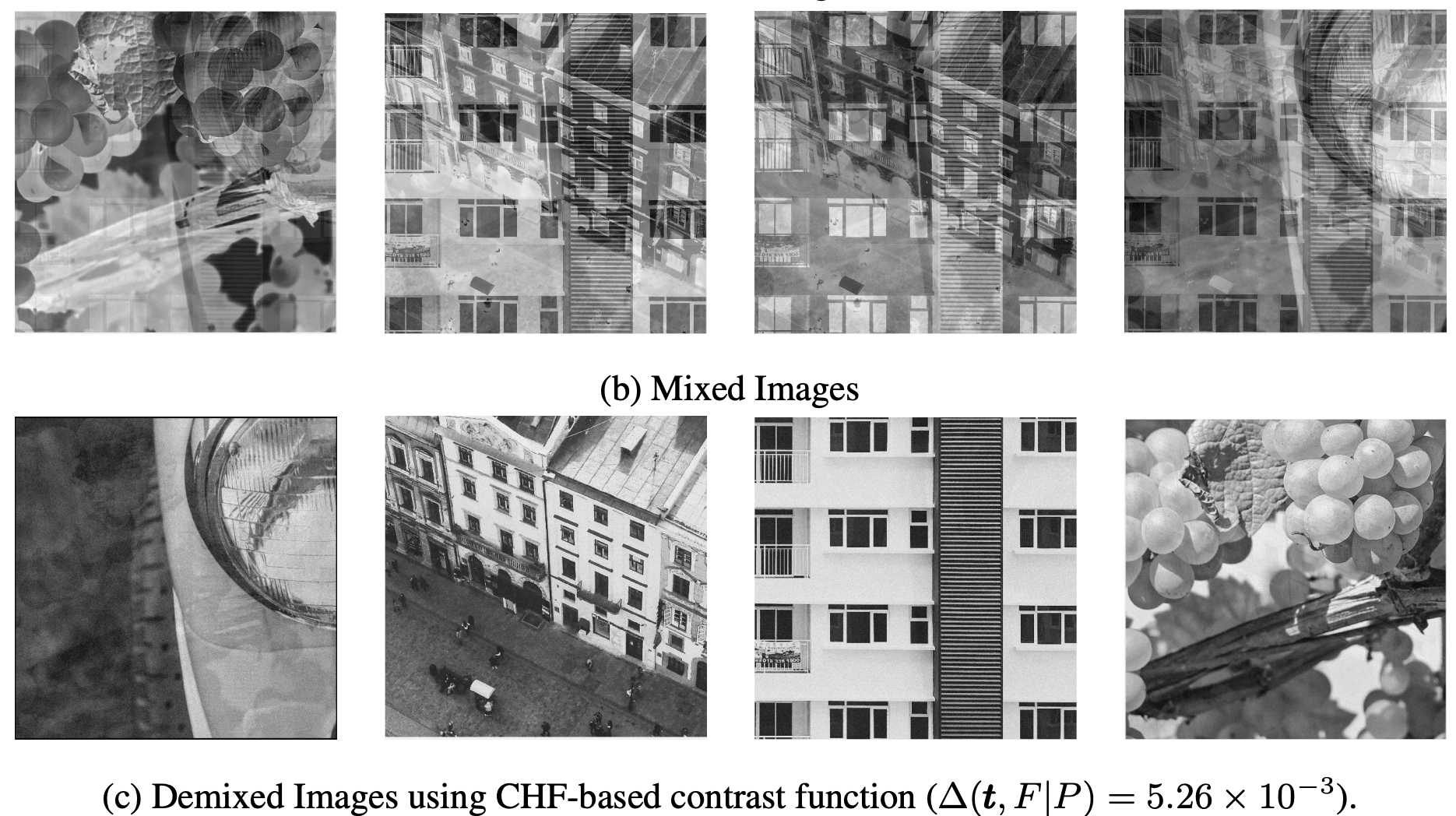
We develop a nonparametric score to select among independent component analysis methods in the presence of arbitrary Gaussian noise.

Figure from Streaming PCA for Markovian Data

Streaming PCA for Markovian Data

Syamantak Kumar, Purnamrita Sarkar

NeurIPS 2023 (Spotlight)

Paper

We give a nearly optimal streaming algorithm for PCA when samples have Markovian dependence.

* Equal contribution.

Selected Projects

For a complete list of projects, please refer to my CV.

Generative Model for User Contributions

Generative Model for User Contributions

I worked at Google, Bangalore with the Maps team on a model for predicting the correctness of an edit made by a user on Maps. This model is used to ensure that data displayed on Google Maps is true to the accuracy it claims.

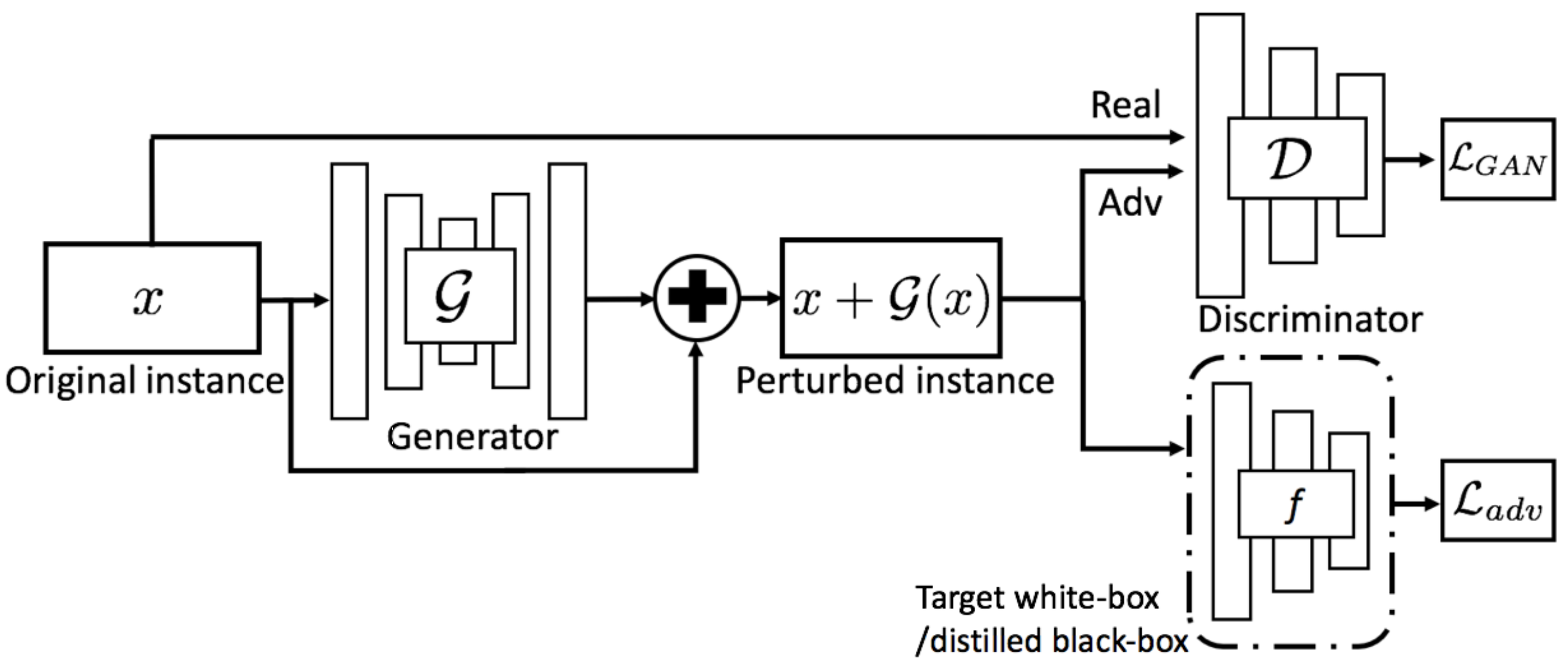
Adversarial Examples for Keyword Spotting

Adversarial Examples for Keyword Spotting

code  /  report

Used Generative Adversarial Networks (GANs) to generate adversarial examples for keyword spotting systems, improving their robustness.

Tournament Ranking given pairwise preferences

Tournament Ranking given pairwise preferences

code  /  report

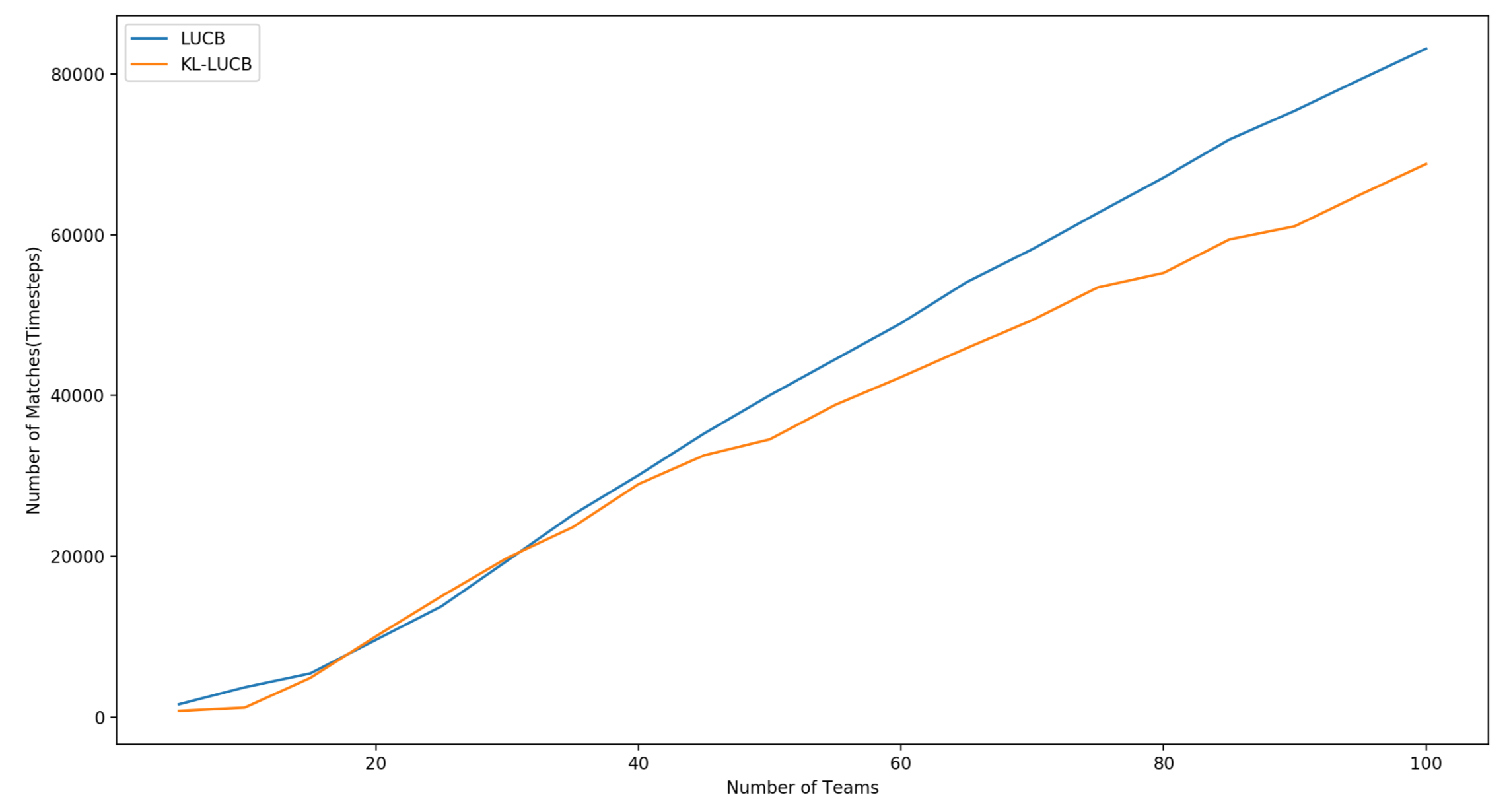
Designed an algorithm for fully-sequential sampling in a Probably-Approximately-Correct (PAC) setting to determine top-K players in a tournament, given pairwise preferences

Chinese Checkers AI

Chinese Checkers AI

code

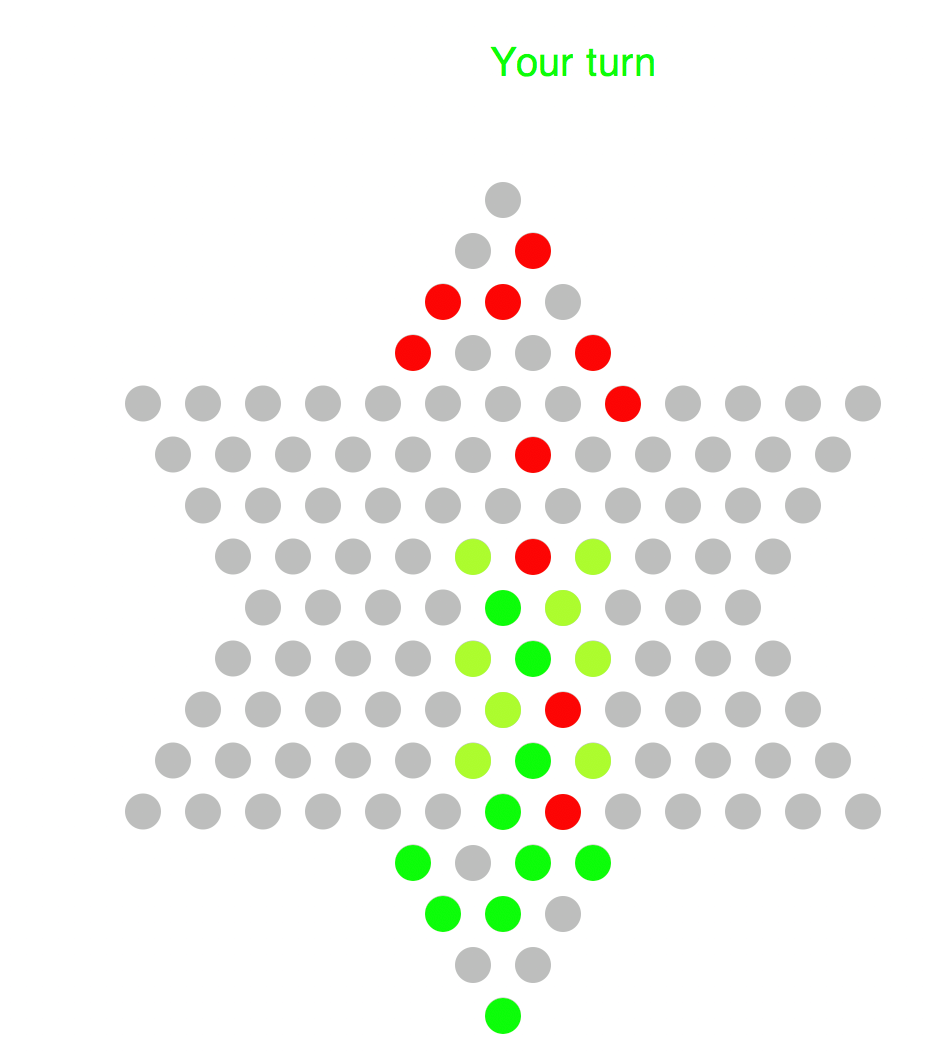
Implemented an AI for playing Chinese Checkers using the Minimax algorithm with alpha-beta pruning. (Implemented in Racket)

Teaching

Graduate Teaching Assistant, CS 361S, Network Security and Privacy, UT Austin, Fall 2021.

Graduate Teaching Assistant, EE 461P, Data Science Principles, UT Austin, Spring 2022.

Teaching Assistant, Linear Algebra for Machine Learning, Sandbox@Alphabet.

Undergraduate Teaching Assistant, PH107, Quantum Physics and its Applications, IIT Bombay, Fall 2017.